Large appliance removal vs dumpster rental depends on the size of your cleanup, the items involved, and who will move them. Appliance pickup often works best for a few heavy items. A dumpster may suit a larger renovation or property cleanup. The right choice also depends on access, labor, and disposal rules in Riverview.
Table of Contents
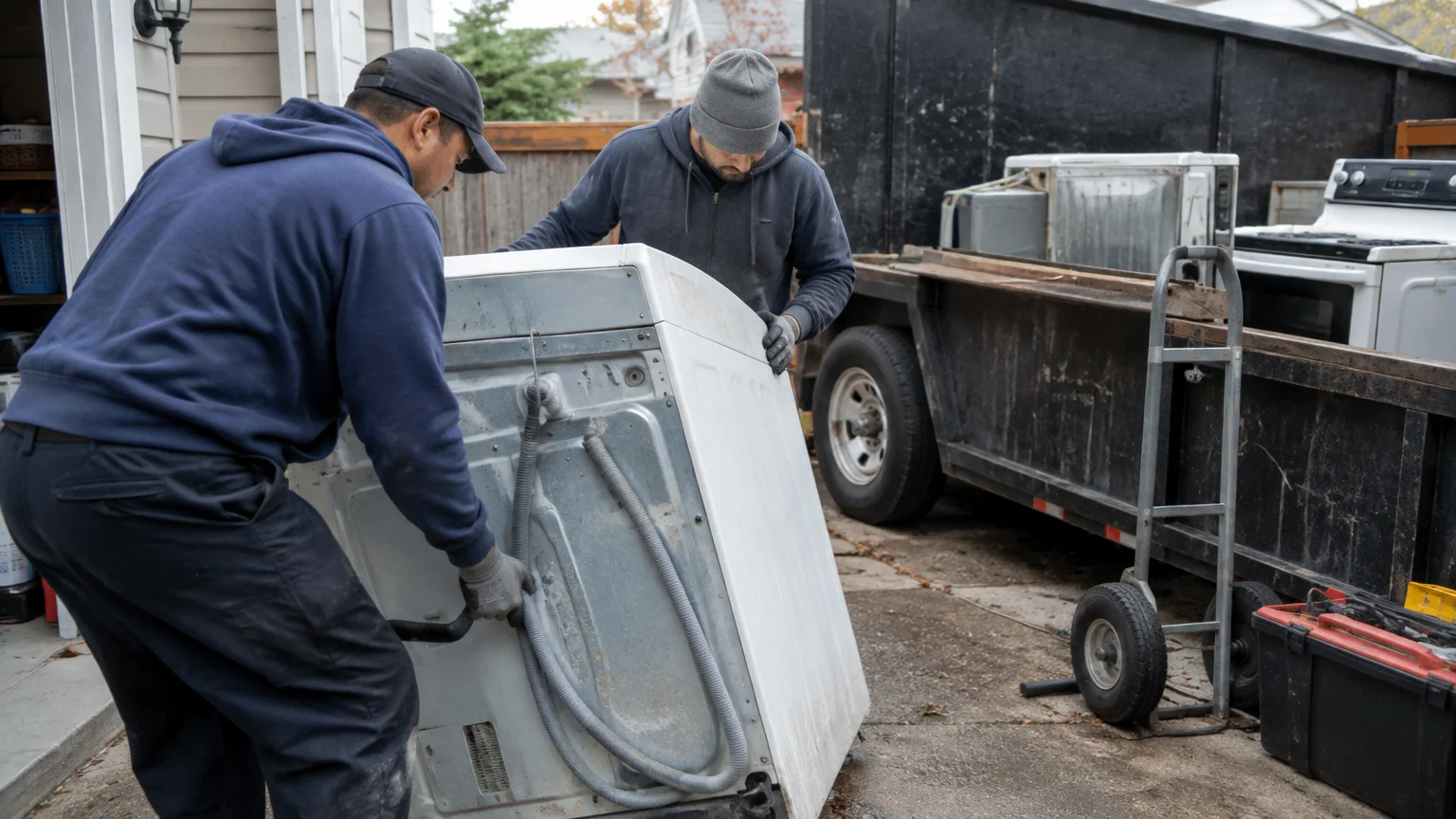
- Is large appliance removal or dumpster rental better for your project?
- What does large appliance removal include?
- How does dumpster rental work for appliance disposal?
- Which option is easier for removing refrigerators, washers, and dryers?
- How do large appliance removal and dumpster rental costs compare?
- What appliance disposal rules should you know?
- Can appliances be recycled through either disposal option?
- When is dumpster rental the better choice?
- When is professional large appliance removal the better choice?
- How do you choose the right appliance disposal option?
- Frequently Asked Questions
Is large appliance removal or dumpster rental better for your project?
Large appliance removal often fits a home, rental, or business with only a few bulky items. A trained crew can lift the appliances, load them, and haul them away. This can save time and help protect floors, walls, doors, and stairways.
A dumpster may work better when appliances are part of a larger cleanup. This may include a kitchen remodel, rental turnover, foreclosure cleanout, or full-property project. The container can hold many approved waste types. However, the customer usually must move the waste into it.
How the two disposal options differ
The main difference is who does the physical work. With a removal service, a crew usually handles the lifting and hauling. With a dumpster, the container is delivered, but the customer normally loads the waste.
A removal crew may also sort items for reuse, recycling, or proper disposal. A dumpster company may accept appliances, but its rules can differ. Some appliances need special care because they contain refrigerant, oil, electronics, or other controlled materials.
Which types of projects suit each option
A dumpster may suit a large renovation with cabinets, flooring, drywall, and several appliances. Professional pickup may fit one refrigerator, a washer and dryer, or a few stoves. The best choice depends on waste volume, access, labor, and local rules.
Riverview Junk Removal can help Riverview property owners review the project before they choose. A clear item list and a simple description of the property can make planning easier.
What does large appliance removal include?
Large appliance removal usually includes pickup, lifting, loading, and transport. It may cover refrigerators, freezers, washers, dryers, stoves, ovens, dishwashers, and similar equipment. Accepted items can vary, so confirm the list before scheduling.
Appliance disposal means taking an unwanted appliance to a suitable reuse, recycling, or waste facility. It does not mean leaving the item beside a road or putting it in a normal trash bin. Large items often need separate handling to protect workers and the environment.
Appliances commonly accepted for removal
Many appliance removal services handle common kitchen and laundry equipment. These items may include:
- Refrigerators and standalone freezers
- Washing machines and clothes dryers
- Electric or gas stoves and ovens
- Dishwashers and small kitchen appliances
- Water heaters, when local rules allow them
Tell the crew about built-in units, commercial equipment, unusual items, or gas connections. This helps the team bring the right tools and plan a safe removal.
What a pickup service typically handles
A pickup crew may disconnect an appliance only when it is safe and allowed. Gas lines, water lines, and electric connections may need a licensed trade worker. Do not assume that every removal company can disconnect every utility.
The crew can often protect the path through the home. They may remove doors when needed and load several appliances during one visit. Riverview Junk Removal supports homes and businesses in the main Riverview area, including Boyette, Panther Trace, Brandon, Apollo Beach, Gibsonton, Valrico, and nearby communities. Service depends on the items and access conditions.
How does dumpster rental work for appliance disposal?
Dumpster rental means a container is delivered to the property for a set time. The customer places approved waste inside it. When the rental ends, the provider collects the container and takes the contents for sorting, recycling, or disposal.
This option gives the customer control over the cleanup schedule. It can help when waste comes from several rooms or work lasts for many days. It also requires space for delivery and enough help to move heavy items.
Container sizes, delivery, and pickup
The container needs a stable place with safe truck access. Some properties need permission before a container sits on a street, sidewalk, or shared drive. Local rules may also limit where it can go and how long it can stay.
Check the accepted waste list before loading appliances. Some providers require approval for refrigerators, freezers, air conditioners, or other items with refrigerant. Extra weight, banned items, or an overfilled container may cause added charges.
What homeowners must do themselves
With a dumpster, the customer usually carries waste from the building to the container. This may involve stairs, narrow doors, wet ground, and heavy appliances. A refrigerator or washer can hurt someone if it tips or slides.
The customer must also keep the load within the container limits. Items should not stick above the top or block safe access. For a small appliance-only cleanup, this work may take more time than expected.
Which option is easier for removing refrigerators, washers, and dryers?
Professional large appliance removal is often easier for refrigerators, washers, and dryers. These items are heavy and hard to control. A removal crew can plan the route, bring moving tools, and load the appliance safely. A dumpster leaves most of this work with the customer.
Refrigerators also need extra care. They may contain refrigerant and sealed parts that should not be damaged. Freezers and older units may need special disposal steps, so share the model and condition when possible.
Moving appliances out of the property
Clear the path and remove loose objects near the appliance before pickup. Doors may need to open fully, and floor protection can help prevent marks. The crew may also check whether the appliance connects to water, gas, or electricity.
A washer may hold water in its hoses. A dryer may connect to gas or venting. A stove may be hard to move over uneven floors. These details affect how each appliance can leave the building.
Handling stairs, tight spaces, and difficult access
Stairs and tight turns make large appliance work harder. Door frames, railings, drywall, and floors can suffer damage when a heavy item is forced through. A removal crew can decide whether to tilt the item, use more workers, or take it apart safely.
Explain basement steps, upper floors, narrow gates, elevators, and long walks to the truck. Clear details help prevent delays. They also help Riverview Junk Removal plan appliance pickup with fewer surprises.
How do large appliance removal and dumpster rental costs compare?
Costs vary by service, item count, access, labor, container size, rental time, disposal rules, and facility charges. Large appliance removal is usually based on the items and work involved. Dumpster rental may depend on the container, rental period, weight, and waste type.
Neither option has one standard price. Compare the full job, not only the first advertised amount. The final charge depends on the project details and is confirmed when you get in touch.
Factors that affect appliance removal pricing
Pickup pricing may depend on how many items need removal and where they are located. A refrigerator in a ground-level garage may take less work than a washer in a basement. Stairs, long carrying paths, tight spaces, and disconnection needs can affect the service.
The appliance type also matters. Refrigerators and freezers may need special handling. Commercial appliances may need different tools or disposal steps. Give clear details so the service can explain what is included.
Dumpster rental charges and possible extra fees
Dumpster charges may include delivery, collection, rental time, weight, and disposal. Extra charges may apply for overfilled containers, banned items, added days, difficult placement, or weight above the agreed limit. Appliance rules may differ from rules for common household debris.
A written list of accepted items can prevent confusion. Ask how refrigerators, freezers, washers, dryers, and other large appliances are handled. Also ask who loads the items and who takes care of special disposal steps.
What appliance disposal rules should you know?
Appliance disposal rules protect workers, residents, and the environment. Refrigerators, freezers, and some cooling equipment can contain refrigerants. The U.S. Environmental Protection Agency explains federal refrigerant management requirements, including rules for recovering refrigerant from certain appliances before disposal.
Older appliances may also contain mercury switches, oil, foam, or electronic parts. Rules can vary by state, county, city, and facility. Check local requirements before placing an appliance in a dumpster or taking it to a drop-off site.
Refrigerant, mercury, and other regulated materials
Refrigerant is a chemical that helps cooling equipment move heat. It must be recovered with proper equipment instead of released into the air. A damaged sealed system can create safety and disposal concerns.
Mercury may appear in switches or older parts. Electronic controls, batteries, and oils may also need separate processing. Never cut lines, puncture tanks, or take apart cooling equipment to make it fit in a container.
Why local recycling and disposal requirements matter
A local facility may accept one appliance but reject another. Rules can depend on the appliance type, age, condition, refrigerant, and whether the item is complete. Some areas offer special collection events, utility programs, or recycling services.
A professional removal company can explain what it accepts and where items may go. Riverview Junk Removal can help customers across the Riverview area understand the next step before pickup. Customers should still confirm permits or utility rules that apply to the property.
Can appliances be recycled through either disposal option?
Appliances can often enter a recycling process, but the exact path depends on their condition and parts. Metal cabinets may be separated from plastic, glass, wiring, foam, and electronics. Refrigerant must be handled before many cooling appliances can be processed.
A removal service may sort items before taking them to a facility. A dumpster provider may send mixed contents to a transfer station or recovery facility. Ask how appliances are handled instead of assuming every item will be recycled.
How metal, plastic, glass, and electronics are processed
Steel and other metals can often be recovered for new products. Plastic parts may be sorted by type. Glass shelves need care because broken glass can injure workers.
Circuit boards, motors, cords, and controls may follow an electronics recycling stream. Foam and insulation can be harder to process. Keeping appliances whole helps crews handle these materials more safely.
When reuse or donation may be possible
A working appliance may have a better use than disposal. Donation centers, reuse groups, repair programs, and some retailers may accept working items. Acceptance may depend on age, cleanliness, safety, energy use, and demand.
Do not leave an appliance at a donation site without approval. Remove food, water, lint, and loose parts first. If reuse is not possible, professional appliance disposal can move the item to a suitable outlet.
When is dumpster rental the better choice?
A dumpster may be better when appliances are only part of a large cleanup. A kitchen renovation may create cabinets, flooring, drywall, packaging, and old appliances. A landlord may also need one container during a full rental turnover.
The container keeps waste in one place while work continues. This can help when several people are cleaning or remodeling. It may not be useful for only one refrigerator or a small group of appliances.
Renovation and whole-property cleanup situations
Dumpster rental can fit a remodel because waste appears over time. It may also fit an eviction or foreclosure cleanout with furniture, household goods, and approved debris. Confirm that appliances are allowed before delivery.
A container may also help during a garage cleanout or major move. Still, the customer needs room for delivery and enough help to carry heavy items. A full-service junk removal team may be simpler when labor is the main problem.
Limitations when disposing of only a few appliances
A dumpster can create more work than needed for one item. The customer must arrange placement, move the appliance, protect the container, and follow loading rules. The appliance may also use space needed for other project waste.
For a few large items, pickup may be more direct. The crew comes to the property, handles the lifting, and hauls the items away. The best option depends on time, tools, labor, and access.
When is professional large appliance removal the better choice?
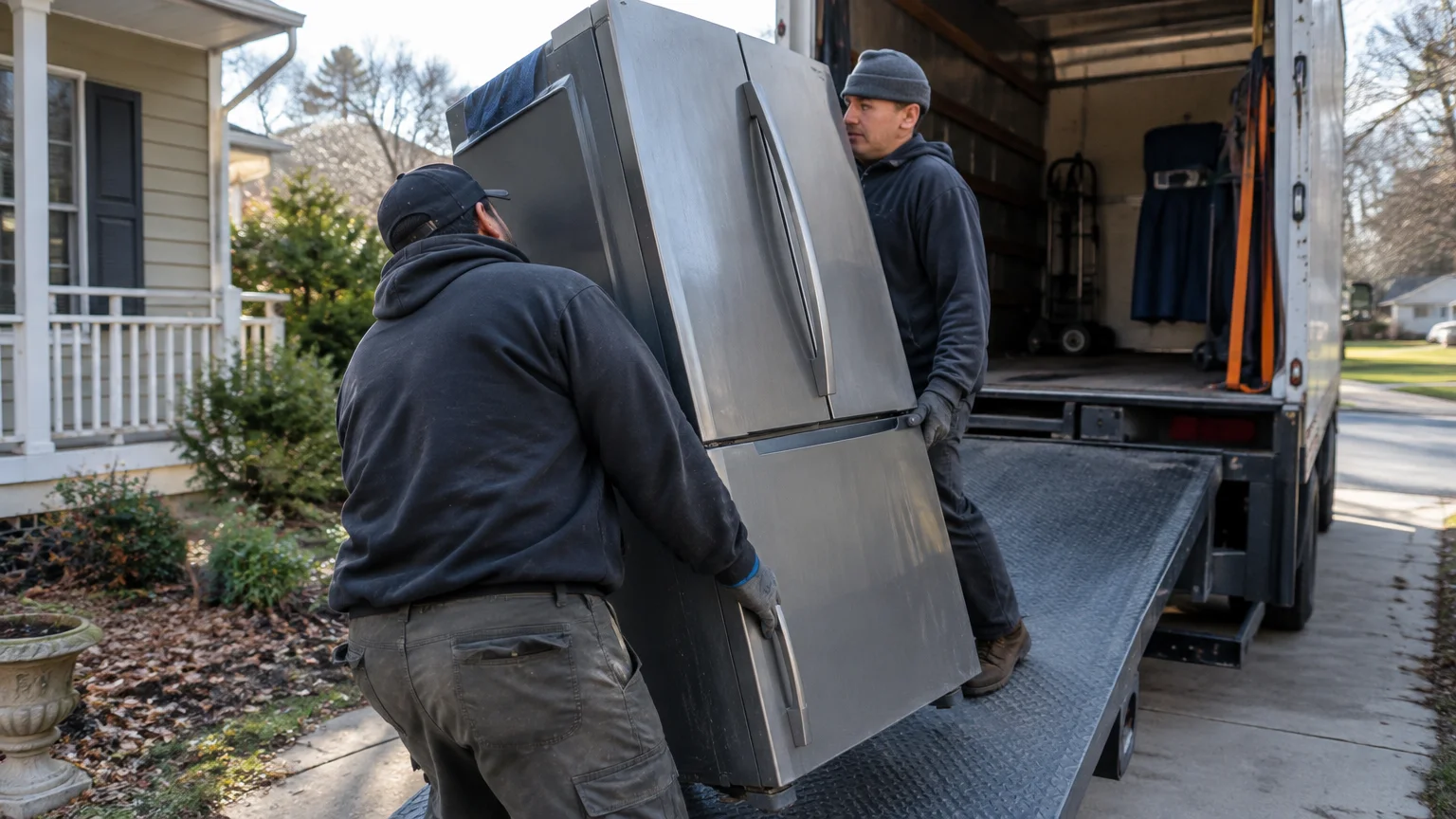
Professional large appliance removal often suits customers who need help with lifting, loading, and transport. It can work for homeowners, landlords, property managers, realtors, and business owners. It may also help when appliances are in basements, garages, apartments, or tight utility rooms.
Describe the number and type of appliances before booking. Mention stairs, elevators, narrow doors, long paths, and utility connections. These details help the service plan a safe removal.
Benefits for homeowners, landlords, and business owners
Homeowners may use appliance pickup during a move, kitchen update, garage cleanout, or replacement project. Landlords may need old appliances removed between tenants. Property managers may need help getting a unit ready for inspection or new occupancy.
Businesses may have break-room appliances, office equipment, or commercial units that need review. A service can keep the cleanup moving while staff handle other work. Riverview Junk Removal can help Riverview homeowners and property owners review appliance removal options.
Questions to ask before scheduling a pickup
Customers should ask clear questions before booking. Useful questions include:
- Which refrigerators, freezers, washers, dryers, stoves, and dishwashers are accepted?
- Does the crew handle lifting from basements, upper floors, or garages?
- Must gas, water, or electric connections be disconnected first?
- How are refrigerants, electronics, metals, and other materials handled?
- What access details and item information should the customer provide?
These questions help match the service to the job. They can also reduce delays caused by unapproved items or unsafe access. A clear plan matters for rental properties and business locations.
How do you choose the right appliance disposal option?
The right choice comes down to volume, labor, access, timing, and disposal needs. Appliance pickup often fits a few bulky items and customers who need lifting help. A dumpster often fits a larger renovation or cleanup where the customer can load approved waste.
Before deciding, list every item and note its condition. Include refrigerators, freezers, washers, dryers, stoves, dishwashers, furniture, boxes, and renovation debris. This shows whether the project is appliance-only or part of a wider cleanup.
A practical comparison checklist
The following checklist can help you choose:
- Choose appliance pickup when lifting or hauling is the main concern.
- Consider a dumpster when waste appears over several days.
- Confirm local rules for refrigerants, electronics, gas equipment, and other materials.
- Check driveway, street, gate, stair, elevator, and parking access.
- Ask how each option handles recycling, reuse, and final disposal.
Compare the work required, not only the service name. A lower-effort option may be worth choosing when time, safety, or labor is limited. Customers can review their needs with Riverview Junk Removal before selecting an approach.
Key takeaways for planning your cleanup
- Appliance pickup often suits a few heavy items.
- Dumpster rental can fit renovations and larger cleanouts.
- Refrigerators and freezers may need refrigerant recovery before disposal.
- Access matters when appliances pass through stairs, doors, or tight halls.
- Recycling depends on the appliance, its condition, and the receiving facility.
Conclusion
Large appliance removal vs dumpster rental does not have one answer for every project. A dumpster can support a broad cleanup, while a removal crew can handle a smaller appliance-only job with less lifting for the customer. The safest choice matches the waste, property, access, and local disposal rules. Contact us today to arrange appliance removal support.
Frequently Asked Questions
Who takes old freezers?
Appliance removal companies, recycling centers, retailers, and local waste programs may take old freezers. Rules vary because freezers can contain refrigerant and other regulated parts. Confirm the service before moving the unit. Share whether the freezer works, is disconnected, or sits upstairs or in a basement.
Who can remove refrigerant from a refrigerator?
A trained technician with proper recovery equipment should remove refrigerant from a refrigerator. Do not cut or puncture the cooling lines. A local appliance recycling program or removal service may explain the next step. Keep the refrigerator whole until the responsible service confirms how it will be handled.
Can a washer or dryer go in a dumpster?
Some dumpster providers accept washers and dryers, while others need approval first. Rules may depend on the container, local facility, appliance condition, and material type. Ask before loading either machine. Professional pickup may be easier when the appliances are heavy, upstairs, or hard to move.
Is appliance recycling better than throwing an appliance away?
Recycling is often a better option when the appliance can be safely processed. Metals, wiring, motors, plastic, and glass may have useful material value. Cooling appliances need special handling first. Ask where the appliance will go and whether reuse, recycling, or disposal is the best fit.
What should someone do before appliance pickup?
Empty and clean the appliance, remove loose items, and clear a safe path. Water, gas, and electrical connections may need to be disconnected by the right professional. Mention stairs, gates, narrow doors, elevators, and long carrying distances when arranging service.
If you are not sure what you are dealing with, it is worth having someone look at it before it turns into a bigger job. Get in touch with Riverview Junk Removal today and we will tell you where you stand.